
Piper Alpha – Lessons Learned from a Tragic Offshore Catastrophe
Memory of North Sea “Piper Alpha” Incident
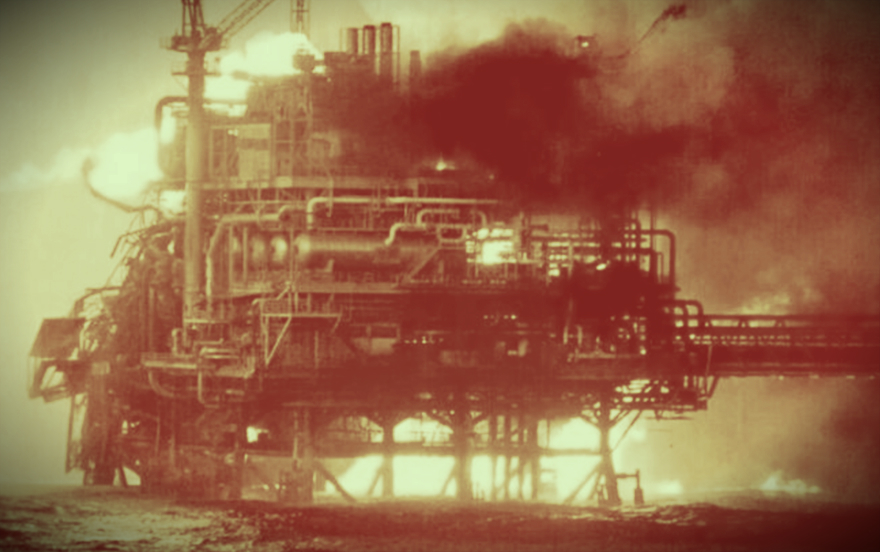
The Piper Alpha incident, which occurred on July 6, 1988, remains one of the deadliest offshore oil platform accidents in history. Situated in the North Sea, about 120 miles northeast of Aberdeen, Scotland, Piper Alpha was once one of the largest oil production facilities in the world. The disaster not only claimed the lives of 167 men but also led to a fundamental overhaul of safety protocols in the oil and gas industry.


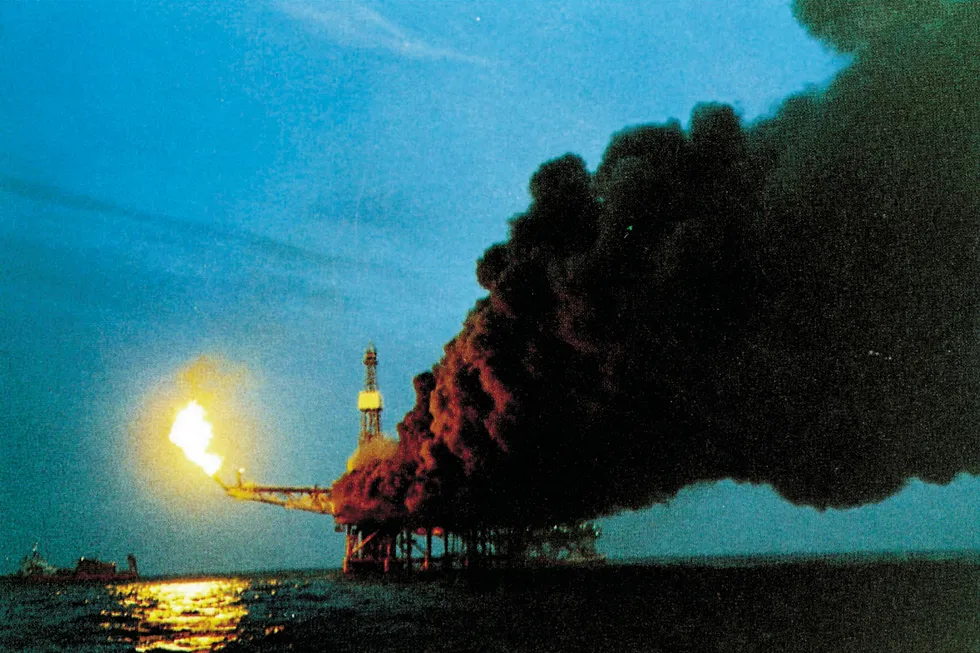
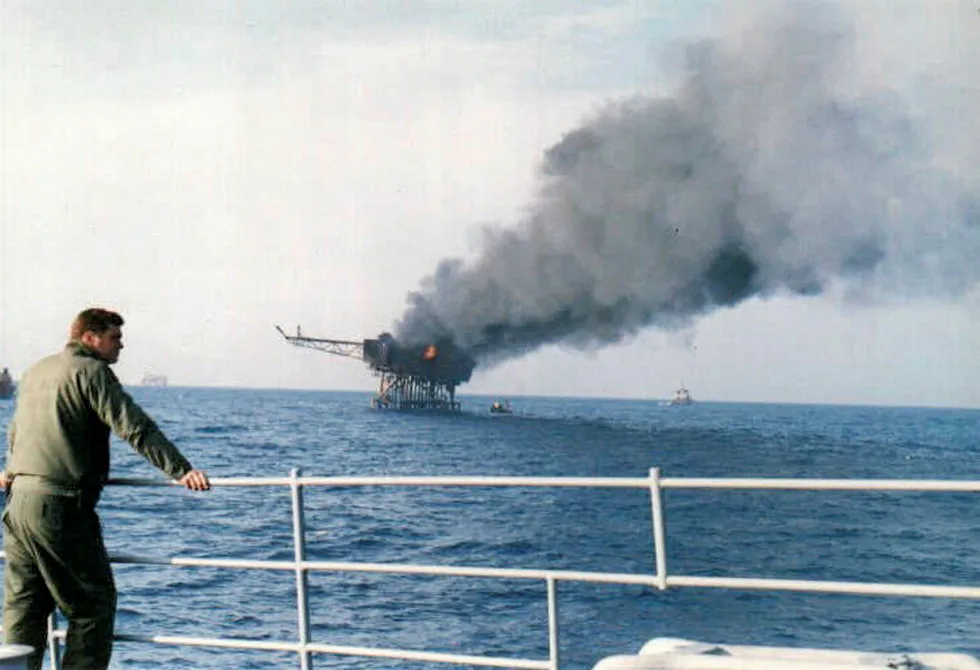
Fire fighting after incident of “Piper Alpha” platform (images from tutto80.it)2
The Incident: A Chain Reaction of Failures
The catastrophe began with a routine maintenance operation that went disastrously wrong. Earlier in the day, technicians removed a pressure safety valve for routine maintenance and temporarily sealed the pipeline with a blind flange. However, due to miscommunication and inadequate handover procedures, the next shift was unaware that the valve had been removed and the flange was not designed to withstand the pressure once the pump was restarted.
In the evening, the pump was activated, leading to a gas leak from the inadequately secured flange. The gas ignited, causing an initial explosion that set off a series of subsequent blasts. Firefighting efforts were severely hindered due to damaged infrastructure and the platform’s isolation, worsening the situation significantly.
Causes and Contributing Factors
The official inquiry into the disaster, led by Lord Cullen, identified several key factors contributing to the scale of the disaster:
Maintenance and Safety Procedures: Critical safety information was not communicated between shifts, and safety protocols for maintenance were inadequately enforced.
Platform Design: Piper Alpha’s design did not compartmentalize areas to prevent the spread of fire or explosions. Furthermore, firefighting equipment and escape routes were compromised during the incident.
Emergency Response: The platform’s emergency response measures were insufficient, and the crew was not adequately trained to handle such a catastrophic event.
Regulatory Oversight: At the time, safety regulations were more reactive than proactive, focusing more on compliance with prescriptive regulations rather than promoting an overarching safety culture.
Economic and Environmental Impact
The destruction of Piper Alpha led to a loss of about 10% of total North Sea oil and gas production, significantly impacting the UK’s energy sector. The environmental damage, while not as extensive as some other oil spills, still had notable impacts on marine life and ecosystems in the North Sea.
Regulatory and Industry Response
The Cullen Report, published after the investigation into the disaster, made 106 recommendations for changes to North Sea safety procedures. These included the introduction of safety cases, in which operators had to prove they were managing risks effectively, and making the installation operator responsible for safety, rather than the duty being on individual employees.
These changes prompted a major cultural shift in the industry towards prioritizing safety. Companies began to invest heavily in safety training, emergency procedures, and more robust design standards to enhance the survivability of platforms during disasters.
Conclusion
The Piper Alpha disaster serves as a stark reminder of the potential costs of neglecting safety in the pursuit of production. It spurred significant improvements in safety standards, but also serves as a warning that vigilance and continuous improvement are essential to prevent future tragedies. The lessons learned from Piper Alpha have been applied worldwide, contributing to safer operations across the global oil and gas industry. This incident continues to be studied as a case study in industrial safety and risk management, emphasizing the critical importance of communication, robust safety systems, and regulatory oversight.
Reflecting on the crucial lessons from the Piper Alpha disaster, we nowadays focus more and more on safety issues, including applicating Ex-proof devices.
Check our products:
Intrinsically Safe Smartphone – Omega – SÛRETÉ Official Site (suretescitech.com)
Intrinsically Safe Phone – SÛRETÉ Ace – SÛRETÉ Official Site (suretescitech.com)
Explosion-proof Tablet – Talpha – SÛRETÉ Official Site (suretescitech.com)
Videos about the Incident:
References
- Piper Alpha – 30 years since the world’s deadliest offshore catastrophe – by Juan Hugo Marthinsen – July 27, 2018 (https://safety4sea.com/piper-alpha-30-years-since-the-worlds-deadliest-offshore-catastrophe/)
- Disastro della Piper Alpha – Il disastro della piattaforma petrolifera nel Mare del Nord (https://www.tutto80.it/content/disastro-della-piper-alpha)
- The Piper Alpha for a new generation – by Rob Watts – 9 April, 2020 (https://www.upstreamonline.com/safety/the-piper-alpha-for-a-new-generation/2-1-788629)
- As Piper Alpha’s 30th anniversary nears, complacency is still the enemy to fight – by Rob Watts – 4 May, 2018 (https://www.upstreamonline.com/2-1-328454)