
Industrial Explosions:
Lessons from History and the Vital Role of Explosion-Proof Safety Measures

Industrial explosions have caused some of the most devastating disasters in history. While past tragedies often stemmed from inadequate safety measures, modern technology and stricter regulations now offer better protection. Below, we examine three major industrial explosions, their causes, and how today’s explosion-proof technologies could have prevented them-or at least minimized the damage.
1. The 1947 Texas City Disaster (USA)


On site photos of 1947 Texas City Disaster2
What Happened?
On April 16, 1947, a ship named SS Grandcamp, loaded with 2,300 tons of ammonium nitrate (a highly explosive fertilizer), caught fire in Texas City’s harbor. The crew attempted to extinguish the flames by sealing the hold and pumping in steam-a fatal mistake. The heat and pressure triggered a massive explosion, leveling the dock and nearby buildings. A second ship, SS High Flyer, also carrying ammonium nitrate, exploded hours later. The disaster killed nearly 600 people and injured over 3,500.
Lack of Explosion Prevention Measures:
- No proper labeling or handling protocols for ammonium nitrate (then considered a “harmless” fertilizer).
- No safety distance between the port and residential areas.
- No firefighting training for dealing with chemical fires.
How Modern Safety Could Have Helped:
Today, ammonium nitrate is strictly regulated under international hazardous materials laws. Key improvements include:
- Mandatory explosion-proof storage (cool, dry, isolated from flammables).
- Real-time temperature and pressure monitoring to detect risks early.
- Safe firefighting methods (water spray, not steam or sealing).
2. The 2005 BP Texas City Refinery Explosion (USA)
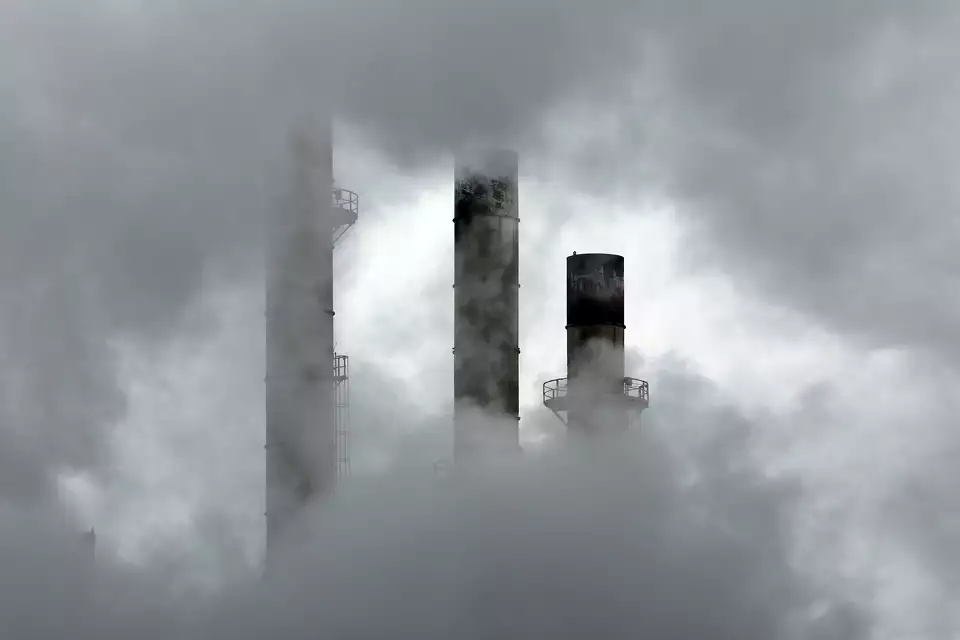
Steam hides the smoke stacks on the westside of the Marathon Petroleum Refinery which is where a BP Refinery unit exploded on March 2005 on Tuesday, March 10, 2015, in Texas City.3
What Happened?
On March 23, 2005, a BP refinery in Texas City exploded due to a series of safety failures. Workers overfilled a distillation tower, causing flammable hydrocarbons to escape into a vent stack. A spark from a nearby truck ignited the gas cloud, leading to a massive blast. 15 workers died, and 180 were injured.


On site photos for BP Texas City Refinery Explosion4
Lack of Explosion Prevention Measures:
- Faulty sensors and alarms failed to warn of overfilling.
- No explosion-proof electrical equipment in hazardous zones.
- Poor training and supervision—key staff were absent during critical operations.
How Modern Safety Could Have Helped:
BP later invested $1 billion in upgrades, including:
- Automated shutdown systems to prevent overflows.
- Explosion-proof electrical systems in high-risk areas.
- Stricter safety protocols and better emergency training.
3. The 2019 Shanxi Xinfa Chemical Fire (China)
What Happened?
On September 21, 2019, a fire broke out at Xinfa Chemical Co. in Shanxi Province. Workers used non-explosion-proof mobile phones near flammable materials, creating a spark that ignited resin barrels. Fortunately, no one died, but the incident exposed major safety gaps.5
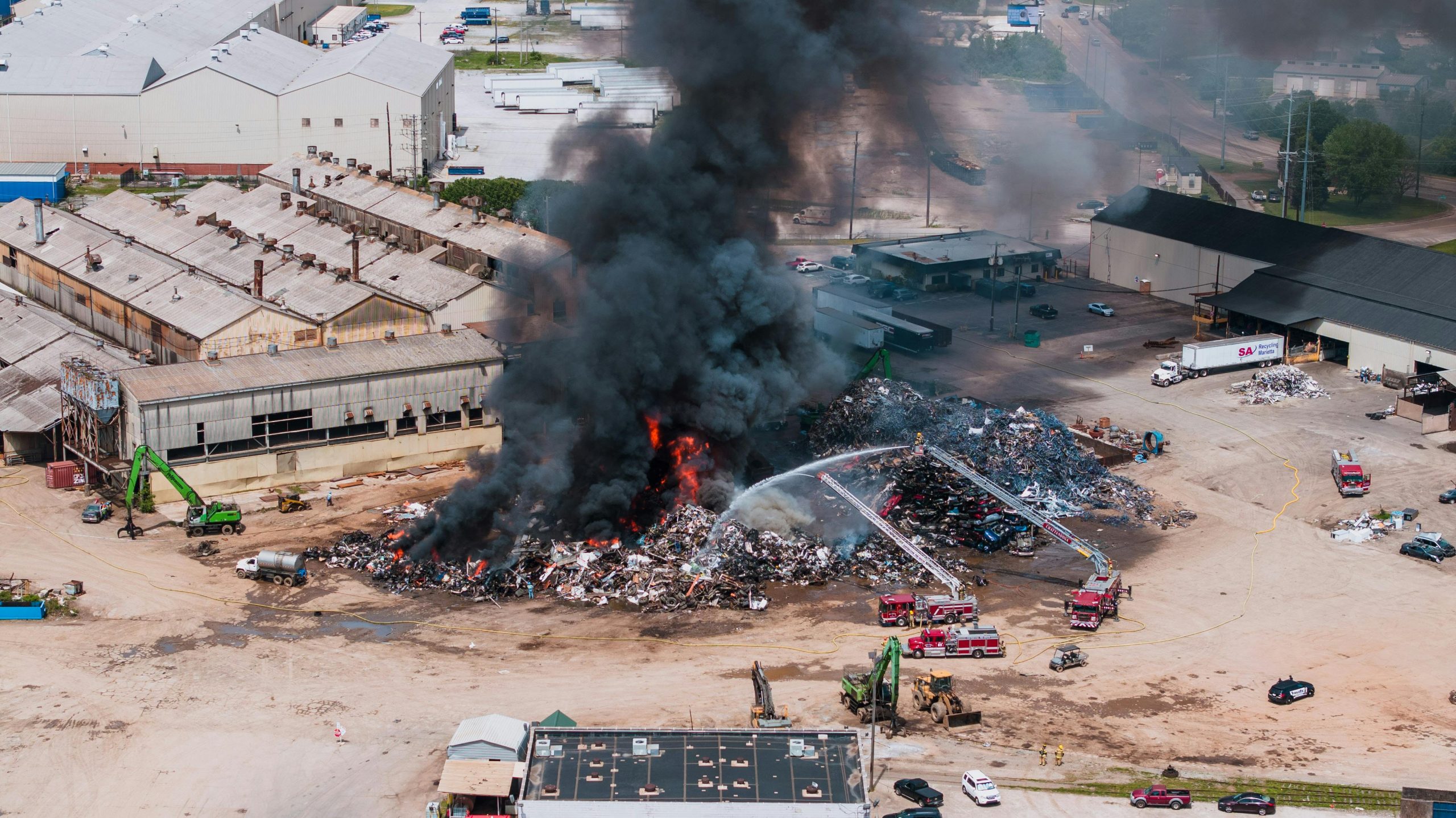
Illustrative photo (not on site photo)6
Lack of Explosion Prevention Measures:
- No explosion-proof electronics in hazardous zones.
- Ignored static electricity risks (workers wore normal clothing/shoes).
- Weak enforcement of safety rules.
How Modern Safety Could Have Helped:
- Mandatory explosion-proof phones and tools in chemical plants.
- Anti-static clothing and grounding systems for workers.
- Strict no-phone policies in high-risk areas.
Key Takeaways: Why Explosion-Proof Safety Matters
- History Shows the Cost of Neglect – Many disasters happened because of poor equipment, weak rules, and human error.
- Explosion-Proof Tech Saves Lives – Proper electrical systems, sensors, and PPE can prevent ignition sources.
- Prevention Is Always Cheaper Than Disaster – Companies must invest in training, maintenance, and modern safety gear.
Final Thought
While we can’t undo past tragedies, we can learn from them. Today’s explosion-proof technologies—combined with strict regulations—can prevent similar disasters. Whether in chemical plants, refineries, or factories, safety must always come first.
♦ What do you think? Have you seen safety improvements in you♦ What do you think? Have you seen safety improvements in your industry? Share your thoughts below!
♦ Feeling the importance of Ex-proof intrinsically safe device? Welcome to ask for a quotation here or by sending a mail to our agent
Sources: OSHA, CSB, historical accident reports.
#IndustrialSafety #ExplosionPrevention #WorkplaceSafety
Featured Products for better safety


- (pexels.com – shot by Vladimir) ↩︎
- (https://spectrumlocalnews.com/tx/san-antonio/news/2020/08/05/beruit-explosion-stirs-memories-of-1947-texas-city-disaster) ↩︎
- (https://www.chron.com/news/houston-texas/slideshow/Remembering-the-Texas-City-blast-105782.php) ↩︎
- image resource: ①https://www.cnn.com/2010/US/06/16/bp.refinery.reaction/index.html
②https://www.chron.com/news/houston-texas/slideshow/Remembering-the-Texas-City-blast-105782.php
③https://www.csb.gov/statement-of-chairperson-vanessa-allen-sutherland-on-the-12th-anniversary-of-the-bp-texas-city-refinery-disaster/ ↩︎ - (https://m.thepaper.cn/baijiahao_4502727) ↩︎
- (pexels.com – shot by Kelly) ↩︎