
Fire & Explosion Prevention:
From Fundamentals to Critical Technologies
Fires and explosions remain among the most catastrophic industrial risks, but modern safety technologies—especially explosion-proof equipment—offer powerful solutions. This blog dives into the science of these hazards, historical lessons, and why specialized devices like explosion-proof terminals with intrinsic safety are non-negotiable for modern safety.
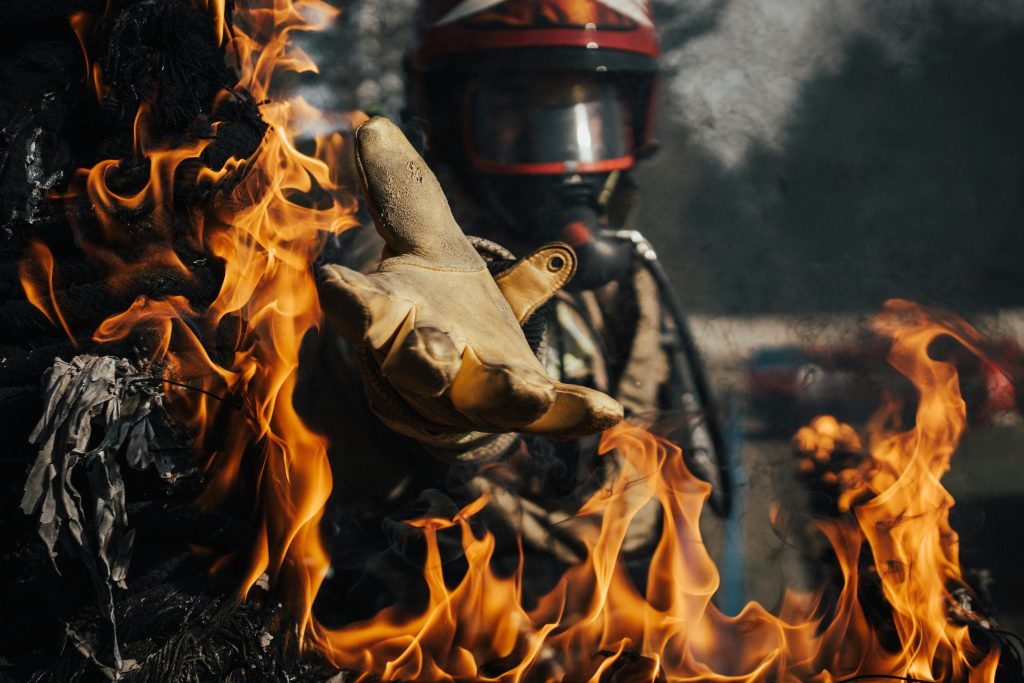
Fire fighter on site (Pexels.com)
1. Why Fires & Explosions Are Unforgiving
Severity
- Human cost: Mass casualties (e.g., 600+ deaths in the 1947 Texas City ammonium nitrate explosion).
- Economic impact: Facilities often require years to rebuild after structural damage.
Complex Triggers
- Ignition sources: Even a 0.01-mJ spark can ignite gas or dust (e.g., static from a worker’s clothing).
- Fuel diversity: From hydrogen gas to metal powders, modern industries handle countless combustibles.
Unpredictability
- Example: A 2019 chemical plant fire in China started because workers used non-explosion-proof phones near flammable vapors.
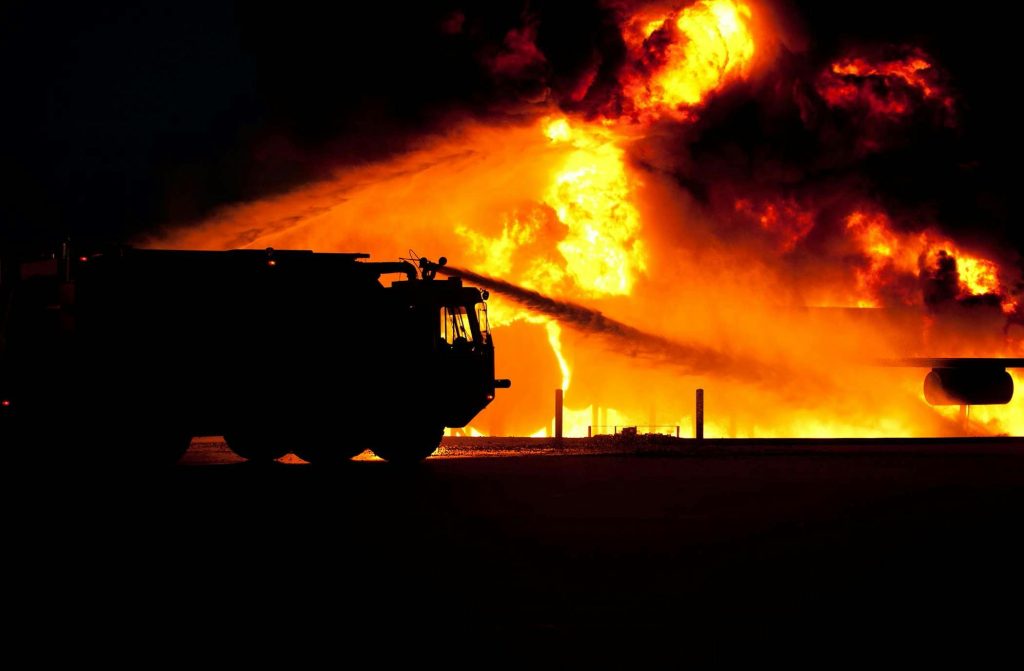
Fire fighting scene (Pexels.com)
2. The Science of Fire & Explosion
The Fire Triangle
| Element | Role | Prevention Strategy |
| Fuel | Any combustible material | Store flammables in sealed, labeled containers |
| Improver | Support combustion | Use nitrogen inerting systems in tanks |
| Ingnition Source | Spark, heat or static | Deploy explosion-proof devices(eg., phones, sensors) |
Explosions: Chemical vs. Physical
- Chemical: Gas/dust mixtures (e.g., methane-air), reacting at speeds up to 3,000 m/s.
- Physical: Overpressurized equipment (e.g., ruptured steam boilers).
Critical Parameters
- Flash point: Lowest temperature where a liquid emits flammable vapor (e.g., gasoline: -43°C).
- Explosive limits: Methane ignites at 5–15% air concentration; outside this range, no explosion.


Fire fighting scenes
3. High-Risk Materials & Scenarios
| Material | Hazard | Example Incident |
| Lithium | Reacts explosively with water | Battery factory fires |
| Aluminum Dust | Suspended particles ignite easily | 2014 Kunshan factory explosion(146 deaths) |
| Hydrogen Sulfide | Toxic and flammable | Oil refinery leaks |
4. The Lifesaving Role of Explosion-Proof Equipment with Intrinsic Safety
What Are Explosion-Proof Terminals?
Devices designed to prevent ignition in hazardous areas by:
✔ Containing sparks within rugged enclosures.
✔ Using intrinsically safe circuits (low energy to avoid arcs).
✔ Meeting certifications like ATEX (EU), IECEx, or UL Class I Div 1.
Key Applications
| Device | Purpose | Example |
| Explosion-proof Phones | Safe communication in oil refineries | SURETE Omega series/Pro(CCRI certified/ benchmark to IECEx Intrinsic safety) |
| Gas Detectors | Monitor methane/H2 leaks | MSA Altair 5X |
| Industrial Cameras | Inspect chemical reactors | Pepperl+ Fuchs VisuNet |

Why They Matter
- Prevent human error: A single text from a standard phone in a gas-rich area can trigger disaster.
- Real-time monitoring: Explosion-proof sensors detect leaks 10x faster than human operators.
- Compliance: OSHA and EU laws mandate their use in hazardous zones (e.g., petrochemical plants).
5. Prevention Strategies: Beyond Basics
Engineering Controls
- Zone classification: Divide facilities into hazardous zones (0/1/2) based on gas/dust risks.
- Static control: Grounding straps, conductive flooring, and ionizers.
Administrative Measures
- Hot work permits: Mandatory for welding in refineries.
- Training: Teach workers to recognize LEL/UEL thresholds and use explosion-proof tools.
Emergency Tech
- Explosion suppression systems: Release fire retardants in milliseconds (e.g., Fike ProInert).
- Thermal imaging cameras: Detect overheating equipment before ignition.
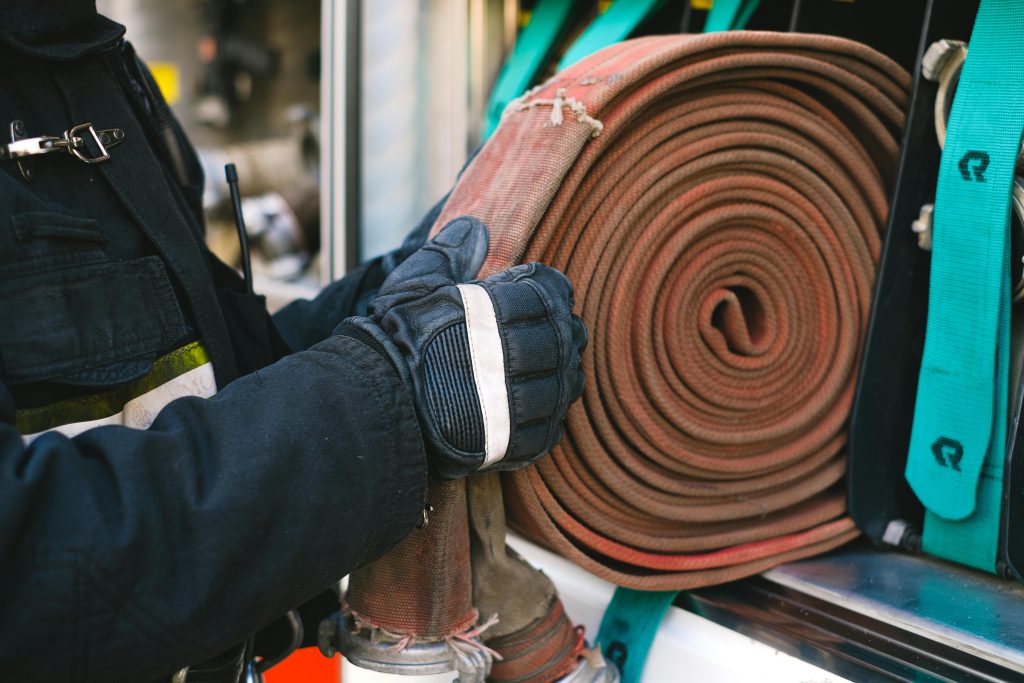
Fire Hose (Pexels.com)
6. Lessons from Disasters
Case Study: BP Texas City (2005)
- Cause: Faulty sensors + non-explosion-proof valves led to hydrocarbon leaks.
- Solution: Post-disaster, BP installed $1B worth of explosion-proof controls and automated shutdown systems.
2023 Trends
- Smart PPE: Helmets with gas sensors linked to explosion-proof tablets.
- AI predictive analytics: Flag risks like rising methane levels in mines.
Final Word
From flammable dust to reactive chemicals, industries will always face fire and explosion risks. However, explosion-proof terminals and devices with intrinsic safety act as a final line of defense, turning potential catastrophes into near misses. Investing in these technologies isn’t just compliance—it’s a moral duty to protect lives.
💡 Did You Know? 80% of explosion accidents involve human error or equipment failures—both addressable with robust safety tech.
Stay safe, stay informed!
#ExplosionProof #IndustrialSafety #FirePrevention #IntrinsicSafety
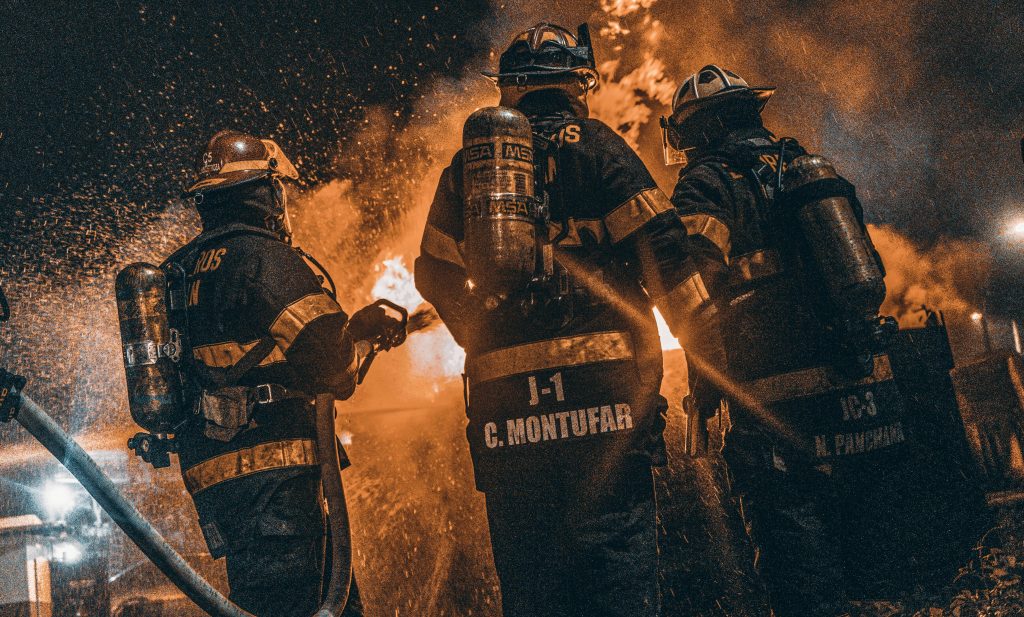
Fire fighters (Pexels.com)